Wisdom teeth push into the side of a vertical muscle of the jaw called the masseter muscle. This interaction affects the mechanics of the jaw, and if a wisdom tooth is removed or never erupts fully, it impairs the function of the jaw.
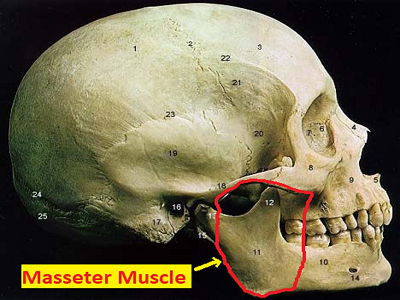
In this picture, you can see the outline of the masseter muscle shown. It attaches above to the cheekbone and below to the side of the jaw, stretching between them like an elastic band, and overhangs over the wisdom teeth. This means that when the jaw moves of the side, the wisdom teeth push into the masseter muscle, and this force affects the movement of the jaw.

In this animation you can see how the wisdom tooth pushes into the masseter muscle when the jaw moves to the side.
The effects of this interaction are many. It can affect speech, singing, head movements, mental wellbeing and others. I have contacted a retired professor of jaw biomechanics, and he told me that if I am correct, the wisdom teeth could have a fucntion of limiting the lateral movement of the jaw, similarly to the function of a ligament (the temperomandibular ligament).
I think this information has importance espically as many people remove wisdom teeth or have wisodm teeth that haven't erupted enough to interact with the masseter.
Other pages: Replacing lower wisdom teeth yourself; Preventing wisdom tooth removal; List of famous people who had wisdom tooth removal; Soft food in childhood causes crooked teeth